

Understanding your current situation
Understanding the current state of information and records management across your organization is critical—both the strengths and the gaps. A current state assessment provides a clear, evidence‑based view of your information landscape, helping to demonstrate why maintaining the status quo is no longer viable. In addition, the assessment evaluates the organization’s readiness for Artificial Intelligence by examining information quality, structure, governance, security, and compliance. This establishes a practical baseline against which progress, improvements, and AI‑enabled capabilities can be measured over time.

Defining your strategy and future state, including Artificial Intellegence
A strategic direction and set of guiding principles will be developed to shape and strengthen the future information management landscape. We will work closely with your team to define how the organization should be designed to support a new way of working—one that enables trusted, well‑governed information, improves efficiency, and establishes a strong foundation for Artificial Intelligence readiness. This includes ensuring information is structured, classified, secured, and governed in a way that supports emerging AI capabilities while aligning with your long‑term business vision.

Developing actionable roadmaps and plans
Planning is critical to a successful information management journey. We will work with you to define clear timelines and a sequenced set of short‑ and long‑term activities to help your organization progress toward its target state and vision. This planning includes strengthening information governance, designing and executing change management activities, and aligning and supporting technology initiatives, including ECM and Microsoft 365 rollouts. A structured roadmap ensures that people, process, and technology efforts move forward in a coordinated and sustainable way.
Organizing and classifying your information
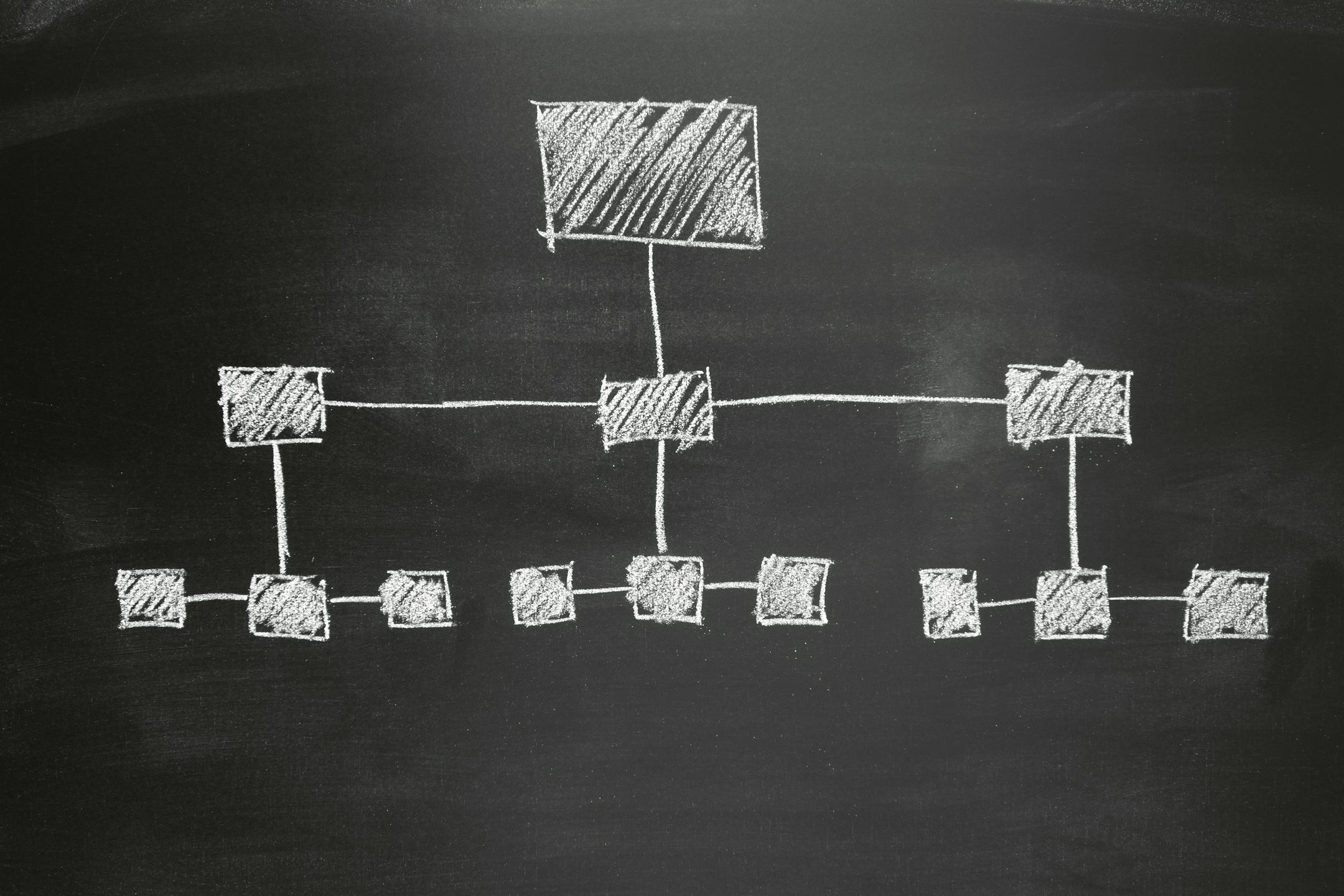
Using a well‑designed information architecture to organize and classify information provides a critical foundation for effective management, access, and control. We work with you to establish a clear structure for classifying and tagging information with meaningful metadata that supports record‑keeping, collaboration, security, and search—while remaining intuitive for users. Proper classification and security tagging ensure that Artificial Intelligence tools only have access to the information they are intended to consume, reducing the risk of exposing sensitive, confidential, or non‑authoritative content.

Supporting freedom of information, regulatory requirements and recordkeeping initiatives
Freedom of Information requests and eDiscovery often create stress and heavy workloads within organizations. We will work with you to strengthen information management, information governance and regulatory compliance in order to support proactive disclosure, eDiscovery, ATIP/FOIP, MFIPPA, litigation and recordkeeping initiatives, including retention and disposition.

Implementing enterprise content management systems
An enterprise content management (ECM) system is the technology foundation used to manage an organization’s information and records throughout their lifecycle—from creation through archival or defensible destruction. While users create and work with information as part of their day‑to‑day jobs, they should not be expected to act as records managers. Instead, a well‑designed information architecture enables the ECM to automatically classify, manage, and apply governance controls to information based on structure, metadata, and business rules. This automation reduces reliance on manual user decisions, improves consistency and compliance, and ensures information is managed appropriately across its lifecycle while allowing users to focus on their core work.

Improving records management and recordkeeping
Records are vital corporate assets that are often overlooked. We provide guidance to modernize records management updating and aligning retention schedules to a well‑designed information architecture so that information management solutions can automatically classify records, apply retention, and manage disposition with minimal manual effort. Modernized records management not only strengthens compliance and defensibility, but also establishes the structure and governance required to support Artificial Intelligence—ensuring AI tools rely on authoritative, appropriately classified information throughout its lifecycle.

Strengthening information governance
Unclear responsibilities and policies around information management are an all-too-common problem for organizations. We will work with you to develop policies and procedures that define how information should be organized, monitored and secured, and develop guidelines to clearly delineate who is responsible and accountable for various information management responsibilities.

Providing relevant communications, awareness and training
Organizations often experience a lack of employee awareness and low user adoption of information management technologies and processes. We will develop a plan that details how communication and training should be deployed and which stakeholders should be engaged and when.
We can also develop training materials and facilitate training sessions that are tailored to your organization.
Need more information or want to chat with our team?
Please reach out if you have any questions or would like more information on any of the services above or anything else information management related.